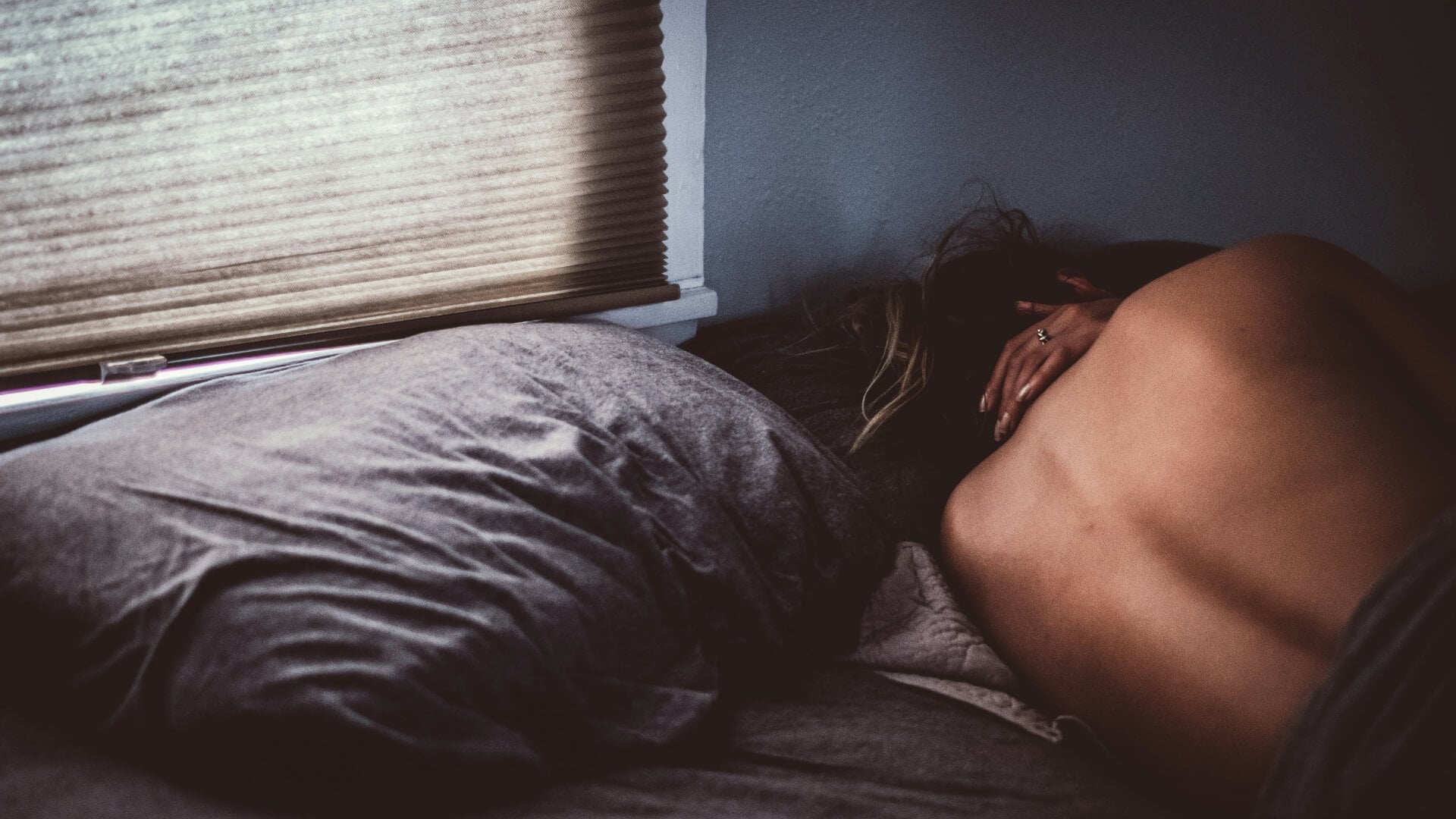
Dying in sleep seems peaceful and easy. But it can occur suddenly and without warning, even in people who seem healthy. Knowing why unexpected events happen is key to staying healthy and lowering risks. Knowing about these hidden dangers doesn’t create anxiety. Instead, it helps you make smart choices for your health and safety in the long run.
If you or someone close to you is in distress, support is available right away. You can call or text 988 to connect with trained counselors at any time, day or night. Reaching out can offer quick support if you’re feeling down or thinking about suicide.
If concerns come up, remember that most preventive actions are taken during the day. At night, take time to relax and rest. Trust that you’ve done what you need for your well-being.
Sudden Cardiac Arrest and Other Heart Problems
Many unexpected deaths during sleep are linked to heart issues, especially sudden cardiac arrest. This condition causes many global deaths, especially at night.
Some heart disorders can cause deadly events during sleep. This makes them very dangerous if they go undetected.
- Heart attacks
- Cardiac arrhythmia, including ventricular tachycardia (heart beats too quickly) and ventricular bradycardia (heart beats too slowly)
- Sudden cardiac arrest
The risk is much higher for people with heart issues. This includes people who have had heart attacks, high blood pressure, heart failure, or coronary artery disease. Similarly, bodybuilders can face higher risks at night. This increased risk is often due to substance use and dehydration. Both factors can put extra stress on the heart.
Sudden cardiac arrest can happen suddenly, even during sleep. So, having an AED at home or work can save lives.
Stroke
Stroke is a leading cause of death during sleep. It happens when a clot blocks blood flow to the brain, leading to quick damage. Research suggests that roughly one in seven strokes happen overnight.
Stroke can affect anyone. However, some health issues and lifestyle choices can raise the risk.
- Have high blood pressure.
- Have high cholesterol.
- Have diabetes.
- Have untreated sleep apnea.
- Have too little or poor-quality sleep.
- Catch yourself nodding off during the day.
- Sleep for more than one hour during the day (as an adult).
- Are dehydrated.
Obstructive Sleep Apnea
Obstructive sleep apnea can harm health. It disrupts breathing during sleep, which puts extra strain on the body. This condition greatly increases the risk of heart-related death. People are more than twice as likely to have sudden cardiac events, especially in the morning.
Untreated sleep apnea can cause serious problems. These include heart failure, stroke, coronary disease, and irregular heart rhythms. It is linked to tens of thousands of heart-related deaths each year in the United States.
Other Causes of Dying in Your Sleep
Heart conditions, stroke, and sleep apnea are common causes of death during sleep. However, other underlying issues can also stop someone from waking up.
Lung Problems
Respiratory issues like COPD and central hypoventilation can drop oxygen levels during sleep. This can be dangerous and even life-threatening if not managed.
Seizures
Seizures during sleep can be deadly. This often happens because of a lack of oxygen or serious injuries that occur during the episode.
Sleep Disorders
Conditions such as REM sleep behavior disorder and sleepwalking can increase the risk of injuries at night. In rare cases, they can cause serious accidents, like dangerous falls while asleep.
Sedative Overdose
An overdose of sedatives can be deadly. It can make a person fall asleep while slowing down vital body functions. This can prevent them from waking up.
Narcotic Medication Use
Narcotics can dangerously suppress breathing, and without timely intervention, this may lead to respiratory failure followed by cardiac arrest.
Choking in Your Sleep
Choking during sleep can be deadly. The risk increases after seizures, heavy drinking, or if food or objects are in the mouth.
Suffocation
Infants under one year risk suffocation from soft bedding. They may also face sudden unexplained death due to breathing or neurological problems. Safe sleep practices can lower this risk. For example, placing babies on their backs is important. While it may not prevent all risks, it helps keep them safer.
Carbon monoxide poisoning
Carbon monoxide can build up quietly from heaters, stoves, or running cars. This creates a serious danger while you sleep. In the U.S., it causes over 400 deaths each year, with the highest numbers typically occurring in January.
Long Sleep Duration
Research shows that sleeping over nine hours regularly may raise the risk of death from different causes. Also, long or irregular daytime naps are linked to a higher chance of stroke.
Researchers say that too much sleep or random naps might not directly cause a stroke or sudden death. However, they can be warning signs of health issues that raise the risk.
Assess Your Risk
Unexpected deaths during sleep can happen to anyone, even healthy people. Recognizing and managing risk factors can help lower this risk.
- Make moves towards a healthier lifestyle, concentrating on the AHA’s Essential 8: diet, exercise, sleep habits, smoking cessation, body weight, blood pressure, blood cholesterol, and blood sugar.
- Limit alcohol intake, particularly in the hours leading up to bedtime.
- Drink enough water and keep a healthy balance of electrolytes in your diet.
- Use a carbon monoxide detector with battery backup and check it often to ensure it’s working. Before bed, turn off candles or flames. Also, switch off heaters. Finally, open a window for airflow.
- If you suspect a sleep disorder, seek a proper evaluation and treatment. Frequent snoring or sleeping over nine hours might mean there’s a problem. Don’t ignore it.
- Take care of your heart. Follow a healthy routine and take your medications as prescribed. If you feel chest discomfort or have palpitations at night, see a doctor for an evaluation.
- If you risk sudden cardiac arrest, think about getting a home AED. Good options are the Philips HeartStart OnSite AED and the ZOLL AED Plus. A person living with you can use the portable defibrillator. They can deliver an electric shock before EMS arrives, which may save your life.
The risk of dying in your sleep is low, but there are a lot of things you can do to prevent it.
Many factors can cause death during sleep, but the overall risk is low. This is especially true for young and healthy people. Tackling concerns or health issues during the day can reduce worries. This leads to a more restful night.
If worries continue, facing personal issues and mending relationships can help create calm. Feeling prepared and at ease helps you rest better at night and move through each day with a clearer mind.
FAQs
What are the most common ways of dying in your sleep?
The main reasons for dying in your sleep are heart issues, such as sudden cardiac arrest and stroke. Respiratory issues, such as sleep apnea, also play a role. These conditions can develop slowly. They might not show clear warning signs before sleep.
How do people die in their sleep without warning?
People can die in their sleep without warning. Undetected health issues, like heart rhythm disorders or breathing problems, may cause this. Often, the body experiences a sudden failure during rest.
Is it common for healthy people to die in their sleep?
It is possible, but rare, for healthy individuals to experience sleep dying. Most cases are linked to hidden health issues that have not been diagnosed.
Can sleep apnea increase the risk of dying in your sleep?
Yes, untreated sleep apnea can raise the risk of dying in your sleep. It causes repeated breathing interruptions, which can strain the heart.
How can you reduce the risk of sleep dying?
You can lower the risk by managing heart health, treating sleep disorders, avoiding substance misuse, and maintaining a healthy lifestyle. Regular checkups also help identify hidden risks.
How to pass away in your sleep, is it possible to control it?
Passing away in your sleep is not something that can be controlled or predicted. It is usually the result of medical conditions rather than a chosen or managed process.
What does sleep dying mean?
Sleep dying is when death happens during sleep. It usually comes from natural causes like heart failure, stroke, or breathing problems.
Conclusion
Dying in your sleep seems peaceful, but it often comes from health issues, not just luck. Most people, especially young and healthy ones, have a low overall risk. Hidden issues, like heart disease, stroke, and breathing disorders, can contribute. However, they are not common. Knowing these risks isn’t about fear. It’s about being informed and taking action. Manage your health and tackle issues early. Also, keep a balanced lifestyle. This way, you can lower risks and enjoy greater peace of mind.