In a life-threatening emergency, hesitation can cost precious seconds. For many, using an AED brings uncertainty. The main question is whether to press a button to deliver a shock. This highlights the fundamental difference between automatic and semiautomatic devices. One type administers the shock on its own, while the other requires user input. Understanding this difference can simplify things and boost your confidence when it counts.
AEDs are built to guide everyday people through emergencies, even without medical experience. All models aim for simplicity. Semi-automatic units need the user to press a button for a shock. In contrast, fully automatic devices do this on their own. Understanding this key difference can simplify your device choice and boost your confidence.
What is an Automated External Defibrillator (AED)?
An Automated External Defibrillator (AED) is a portable device. It helps when someone has sudden cardiac arrest. This happens when the heart stops working due to faulty electrical signals. The device quickly assesses the heart’s rhythm and delivers a shock if needed to help restore it. AEDs are advanced but easy for anyone to use. This simplicity allows for quick action in emergencies, greatly boosting survival chances.
Once an AED is turned on, it provides clear voice prompts and visual cues to guide you step by step. The device checks the heart’s rhythm after you place the pads on the chest. It decides if a shock is needed, removing any doubt. It will only give a shock when needed. This makes it safe and reliable for users with little or no training.
Fully Automatic vs. Semi-Automatic AEDs: What’s the Difference?
Both fully automatic and semi-automatic AEDs are crucial in cardiac emergencies. Each device is made to provide life-saving treatment. The main difference is in their operation. Knowing this can help you pick the best option for your situation.
| Fully Automatic AED | Semi-Automatic AED |
| Automatically Shocks | Click the Shock Button Required for Shock |
| Well-suited for users with limited training or high-stress situations | More control and involvement in rescue |
| Higher in cost | Lower in cost |
| Less interaction required | Allows users time to assess the patient and confirm shock is needed |
| May be preferred in an environment where a broad range of users may be responding to emergencies | Commonly used in healthcare settings and by trained responders |
How Fully Automatic and Semi-Automatic AEDs Are Alike
Fully automatic and semi-automatic AEDs work in different ways. Still, both deliver a life-saving shock when necessary. Recognizing what they have in common can make it easier to choose the right device in an emergency.
| AED Feature | Fully Automatic AED | Semi-Automatic AED |
| AED requires electrode pads attached to the patient to deliver a shock. | x | x |
| AED does not allow anyone to touch the victim when a shock is delivered. | x | x |
| AED will NOT shock the patient unless the device detects a shockable rhythm. | x | x |
| Dependent on Model: AED will provide voice and/or visual rescue instructions | x | x |
| AED provides a shock to treat sudden cardiac arrest | x | x |
Understanding Fully Automatic AEDs
Automatic AEDs are designed to make emergency response easier by minimizing user action. After applying the pads, the device checks the heart rhythm. If needed, it will deliver a shock automatically. This lets the rescuer focus on the situation without taking extra steps.
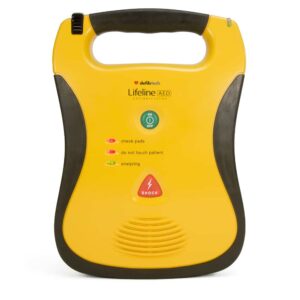
Fully automatic AEDs usually cost more. This higher price can affect the decision-making process. Think about if the extra ease of use is worth the cost. Choose a model that fits your needs and budget best.
Using a Fully Automatic AED: Step-by-Step
A fully automatic AED is simple to use. It follows the same basic steps as other models. This makes it quick and efficient in emergencies.
- Once the electrode pads are placed on the victim’s chest, step back and let the AED assess the heart rhythm.
- Keep everyone away from the victim. This helps to avoid interference while the AED analyzes.
- If the AED detects a serious rhythm, like ventricular fibrillation or tachycardia, it will instruct people to stand clear. It will deliver the shock without any manual intervention.
Pros of a Fully Automatic AED
A fully automatic AED is well-suited for high-pressure situations, particularly for untrained users. Removing the need to press a shock button speeds up action. This change reduces hesitation. As a result, responses are quicker and more confident when time is crucial.
Fully automatic AEDs are most effective when speed and simplicity are essential.
- Crowded places such as transit stations, malls, stadiums, and theaters need automatic AEDs. These devices must be ready to use at all times.
- Great for places where people might not know how to use an AED. This helps ensure a fast and effective response in emergencies.
- Vital for remote spots like campsites, hiking trails, and parks. Quick access to defibrillation can save lives.
- Great for places with senior rescuers, like retirement communities, senior lodges, and clubs. In emergencies, the tools must be easy to use.
Cons of a Fully Automatic AED
A fully automatic AED takes away user control over when to deliver a shock. This can be a worry in some situations. Follow the prompts closely. Make sure no one contacts the patient during the shock.
Understanding Semi-Automatic AEDs
Semi-automatic AEDs engage the user in the last step. They prompt the user to deliver a shock when necessary. This allows the rescuer to decide the exact moment of activation.
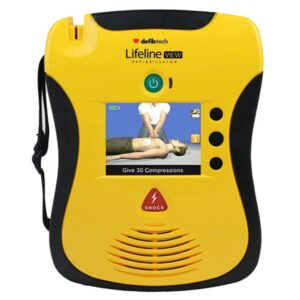
Using a Semi-Automatic AED: Step-by-Step
Semi-automatic AEDs work like fully automatic ones. First, you place the pads. Then, the device analyzes the heart’s rhythm. During this process, it’s important to ensure no one is in contact with the patient.
A semi-automatic AED prompts the user to press a button to deliver a shock. In contrast, automatic models deliver shocks on their own. Once the shock is given, the device continues to provide guidance for the next steps.
Pros of a Semi-Automatic AED
Trained responders and healthcare professionals often choose semi-automatic AEDs. They provide more control when in use. Anyone can use a defibrillator, but it’s better for those with some experience. This is especially true in high-pressure situations.
By controlling when the shock is given, rescuers can make sure the area is clear. This way, no one is touching the patient, which lowers potential risks.
Semi-automatic AEDs work best when trained responders assess the situation. They can then deliver a shock if needed.
- Great for healthcare settings like hospitals and clinics. Here, professionals can choose when to deliver the shock.
- In EMS vehicles or any emergency vehicles.
- Great for childcare places like schools and daycares. Some AEDs even have a pediatric shock button. This button adjusts energy levels for younger patients.
- Great for places with trained AED and CPR staff who can use the device in emergencies.
Cons of a Semi-Automatic AED
It’s normal to feel unsure about using semi-automatic or fully automatic AEDs. However, in a cardiac emergency, acting quickly is crucial. While pressing a shock button may seem like a delay, the device will only prompt it when necessary. Proper CPR and AED training can build the confidence needed to respond effectively.
How to Choose the Right AED for You
When choosing between a semi-automatic and a fully automatic AED, consider the user’s skill and training level.
Will this individual be likely to remain cool and calm?
Consider how well the user stays calm and focused in a high-pressure emergency. Not everyone handles stress the same way.
Will they be inclined to tense up during a crisis?
Some rescuers might feel anxious or overwhelmed during emergencies. The intensity of sudden cardiac arrest can be tough to manage, even for those who want to help.
Have they had any training in AED use?
Assess the user’s knowledge of AEDs. Check if they have training or if they will use the device with little or no experience.
Is the AED going in a public place so anyone (trained or untrained) can use it?
Think about the setting where the AED will be located and the type of users it will serve. In public spaces with experts and beginners, people might choose either semi-automatic or fully automatic models.
Cardiac arrest is a serious, life-threatening event. Acting quickly can greatly boost a person’s chances of survival.
What to Consider When Choosing an AED
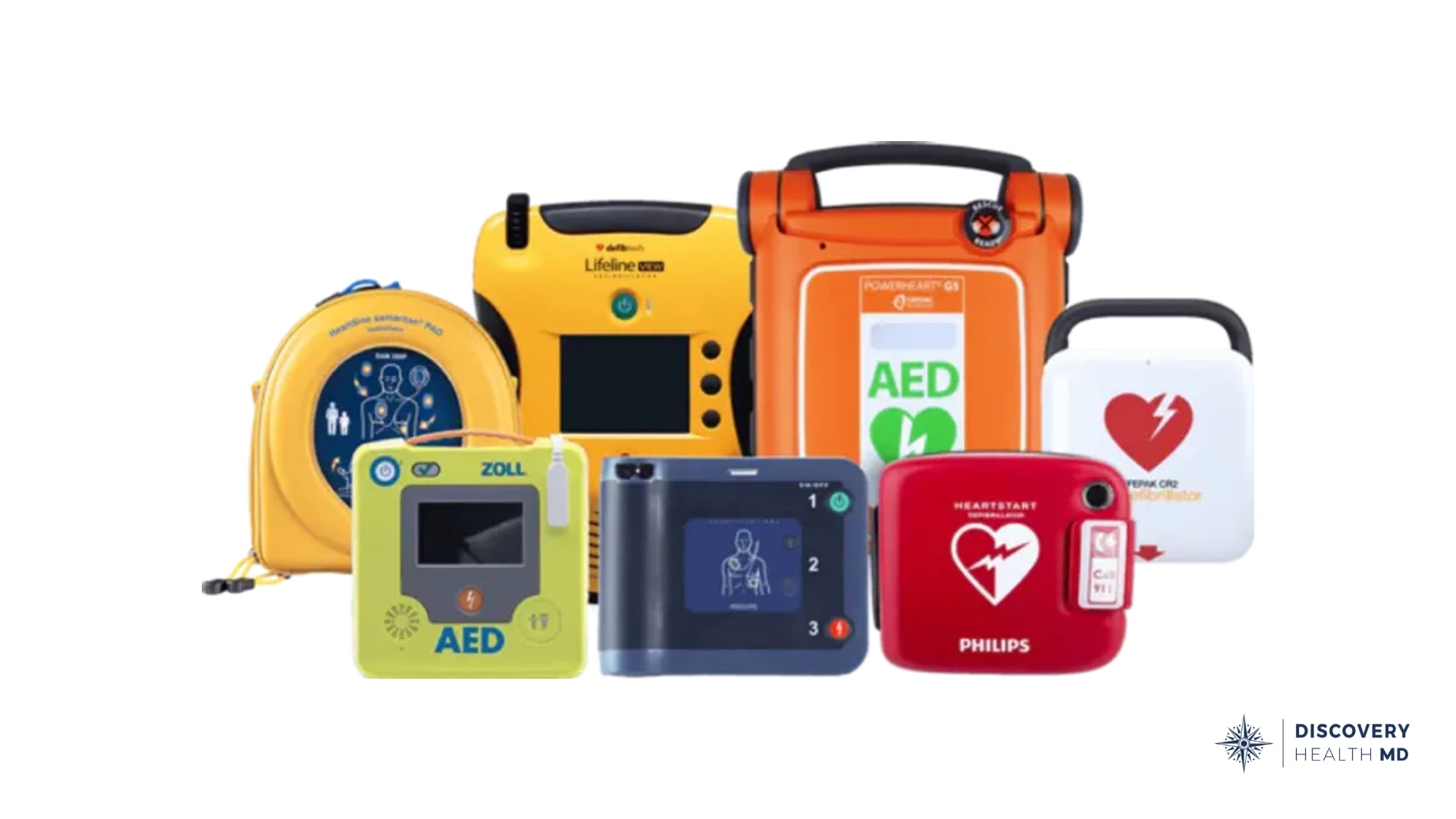
Response Ready offers a variety of AEDs. You can choose from fully automatic or semi-automatic models. Explore the options below.
- Cardiac Science Powerheart G5
- Defibtech Lifeline
- HeartSine PAD 350P
- Physio-Control LifePak CR2
- ZOLL AED Plus
- ZOLL AED 3
The following AED models are only available in semi-automatic versions:
- Defibtech Lifeline View
- HeartSine samaritan PAD 450P
- Philips HeartStart OnSite
- Philips HeartStart FRx
- ZOLL AED Pro
Choosing the right AED means knowing its key features and benefits. So, check a buyer’s guide or compare top models. This can help you decide better.
In an emergency, acting fast can save lives. Knowing the difference between fully automatic and semi-automatic AEDs helps you respond better.
FAQs
What is the difference between an automatic and a semiautomatic AED?
Automatic AEDs deliver shocks by themselves. Semiautomatic AEDs need someone to push a button to deliver the shock. A fully automatic AED delivers the shock by itself. In contrast, a semiautomatic AED needs the user to press a button when it prompts them.
How does an AED detect V-fib?
An AED detects V-fib (ventricular fibrillation) by checking the heart’s rhythm using electrode pads. If a shockable rhythm like V-fib is identified, the device prompts or delivers a shock.
Which is better: a fully auto vs. a semi-auto AED?
Fully automatic AEDs are easier for untrained users. Semi-automatic models give trained responders more control.
Can anyone use an AED without training?
Yes, AEDs are designed for public use and provide step-by-step voice instructions. Even without training, users can follow prompts to respond effectively.
Does an AED always deliver a shock?
No, an AED will only deliver or recommend a shock if it detects a shockable rhythm such as V-fib. This built-in safety feature prevents unnecessary shocks.
Why is understanding the difference between automatic and semiautomatic AED important?
Understanding automatic and semiautomatic AEDs helps users pick the right one. This knowledge boosts confidence and speeds up responses in emergencies.
Conclusion
In an emergency, every second matters, and having the right AED can make a critical difference. Understanding automatic and semiautomatic devices helps you choose the right model. This choice should match the user’s skill, training, and environment. Choose a fully automatic unit for ease or a semi-automatic one for more control. Both types provide vital support when it matters most. Be prepared, act quickly, and trust the device to guide you.