
The best AED is not a universal solution but a device suited to the environment where it will be used. What works on a busy construction site is very different from what’s needed in an office or school. In those places, kids need functionality and simplicity. This guide helps you choose by reviewing various AED models. It covers portable options for travel and advanced units for trained responders. Consider key factors such as usability, CPR guidance, and performance. These will help you confidently choose an AED that meets your needs.
Defining the Automated External Defibrillator
An automated external defibrillator (AED) saves lives during sudden cardiac arrest. It gives clear, step-by-step instructions when every second counts. It quickly checks the heart’s rhythm. If needed, it delivers a shock to restore normal function. An AED is simple to use, so almost anyone can operate it. This makes it vital when every second counts.
Can Your AED Handle Extreme Temperatures?
Extreme temperatures can affect AED performance. They may shorten battery life and damage the gel in electrode pads. Most devices are built to operate within a range of 32° to 122°F, as outlined in their specifications. Only a few models work well outside these conditions. This includes some from ZOLL Medical and Physio-Control.
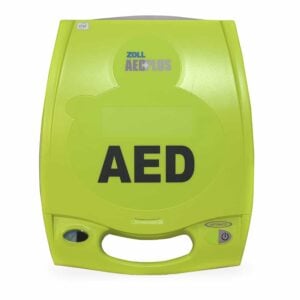
- The storage temperature range for ZOLL AED Plus is -22° to 140°F.
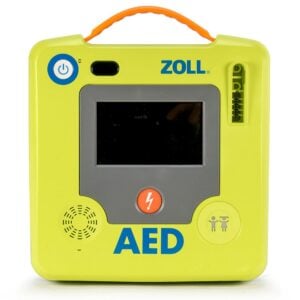
- The range for ZOLL AED 3 is -22° to 158°F
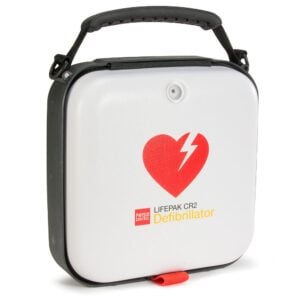
- The range for LIFEPAK CR2 and LIFEPAK 1000 is -22° to +140°F
What Happens If Your AED Gets Wet?
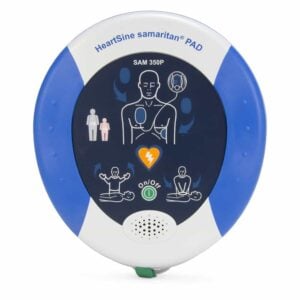
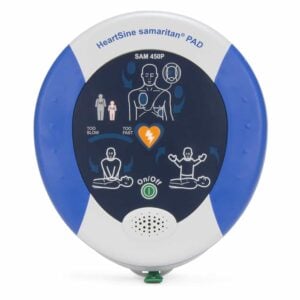
When moisture matters, an AED’s IP rating is key. It shows how well the device resists water and dust. Devices with higher ratings offer stronger protection. This makes them great for outdoor use or places near water. The HeartSine Samaritan PAD 350P, 360P, and 450P are impressive. They have an IP56 rating, which means they resist heavy water exposure. This makes them reliable in places like pools, boats, marinas, and other wet work sites.
Finding the Best AED for Your Home or Office
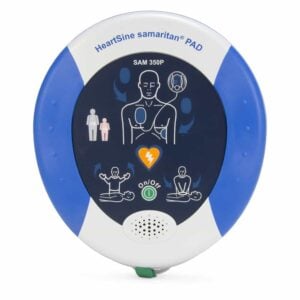
The HeartSine Samaritan PAD 350P is a trusted option for indoor use. It’s easy to operate and allows quick access during emergencies. It’s available without a prescription. This device is perfect for home use. It has clear voice prompts and an easy design, helping users respond confidently. Its low-maintenance design boosts its appeal. This makes it a smart choice for enhancing household emergency preparedness.
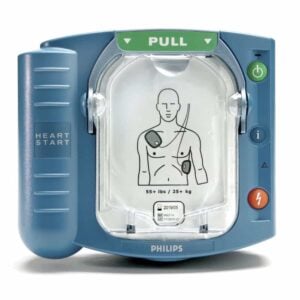
The Philips HeartStart OnSite is perfect for beginners. It has a compact and portable design. Plus, it offers clear voice instructions. This makes it easy to use at home, in small offices, and in other indoor spaces. Its built-in CPR guidance and affordable price make it great for first-time users. The ZOLL AED Plus is a great choice for long-term value. It’s durable and easy to maintain. Pads and batteries last up to five years. The Real CPR Help® feature gives real-time feedback on chest compressions. This helps users feel more confident in critical moments.
Key Technical Features to Compare
As you compare AED models, certain technical differences become important to understand. Key factors like how the shock is delivered and the technology used are crucial. They affect both effectiveness and ease of use. Understanding these differences helps you choose a device that fits your needs. This way, you can use it confidently in high-pressure situations.
Smart Connectivity for Faster Help
In a cardiac emergency, quick action is crucial. Modern AEDs help with this urgency by offering built-in connectivity. Some advanced models, like the Avive Connect AED, use Wi-Fi, cellular, and GPS. They automatically alert emergency services when activated. This helps reduce response time when it matters most.
Semi-Automatic vs. Fully Automatic
When choosing an AED, a key decision is whether to pick a semi-automatic or fully automatic model. Semi-automatic devices require the user to press a button to deliver a shock. In contrast, fully automatic units take care of this step on their own. They provide a verbal warning and a countdown before delivering the shock. The right choice depends on the user. Fully automatic models help untrained people feel more confident. In contrast, experienced users often prefer the control of a semi-automatic device.
Shock Technology and Energy Delivery
Most modern AEDs use biphasic defibrillation. This method sends electrical current through the heart in two directions. It helps restore rhythm with lower energy. This approach is more efficient and reduces strain on both the heart and skin. This feature is now standard in the industry. It makes sure the device uses the latest tech to treat sudden cardiac arrest well.
Understanding the Total Cost of Ownership
The upfront cost of an AED is only part of the investment. To plan well, consider the total cost of ownership over its usual 10-year lifespan. This includes maintenance and any replacement accessories. Early consideration of these ongoing expenses helps you budget well. This way, the device stays ready when you need it most.
Initial Price vs. Long-Term Costs
When evaluating AEDs, consider ongoing costs, not the initial purchase price. Batteries and electrode pads must be replaced regularly. Their lifespan and cost can differ a lot by model. A lower upfront price looks good, but it can lead to frequent or costly replacements. In the long run, this may make it more expensive than a device with a higher initial cost.
Budget-Friendly and Recertified Options
If buying a new AED isn’t possible, recertified units are a smart choice. They save money and still work reliably. These devices are tested by professionals and restored to meet manufacturer standards. They often include new batteries, pads, and warranty coverage. They offer reliable performance at a lower price. This makes them a smart choice for homes, small businesses, and community groups.
Navigating Payment and Insurance
Paying for an AED may be more manageable than it seems, with several options available to ease the cost. You can make this important equipment more affordable in practical ways. Options include pre-tax health accounts and community funding. Exploring these options can keep you ready for emergencies. Plus, it won’t stress your budget.
Using an HSA for Your Purchase
Using a Health Savings Account (HSA) or a Flexible Spending Account (FSA) can make buying an AED cheaper. These accounts often let you use pre-tax dollars for eligible medical expenses. Check your eligibility with your provider. If approved, this method can greatly reduce costs and make it easier to add an AED to your home.
Grants and Community Fundraising
For schools, nonprofits, and community groups, buying an AED can be hard because of the costs. However, there are practical ways to find funding. Grants for public safety, local fundraising, and business partnerships can cover costs. These methods make AEDs easier to get. They also boost community support and involvement.
Understanding Good Samaritan Laws
Many people worry about making mistakes in emergencies. Good Samaritan laws help with this concern. They protect people who help others in good faith. This reduces liability risk and encourages bystanders to act when it counts.
Where to Purchase Your AED
When you’re ready to buy an AED, you can find many options online or by phone. However, picking a specialized medical equipment provider often gives you better support. These distributors provide expert advice. They help you understand features and choose the right model. This way, you can make a smart and trustworthy decision.
Choosing a Durable AED for Outdoor Settings
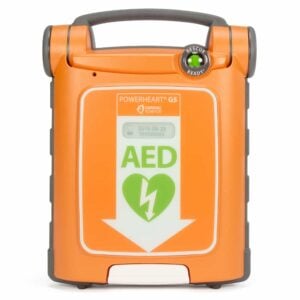
The Cardiac Science Powerheart G5 and HeartSine Samaritan PAD models, like the 350P, 360P, and 450P, are great for outdoor use. They have a strong design and dependable performance. The Powerheart G5 works well in loud or high-pressure settings. It provides clear voice and visual prompts to help users. Built to military-grade standards, it has an IP55 rating. This means it can handle tough conditions easily. Its long-lasting battery allows for extended monitoring and withstands many shocks. This makes it a great choice for demanding environments.
For remote outdoor areas, a reliable AED is crucial. Emergency responses can take time, so having one on hand can save lives. The HeartSine Samaritan is notable for its compact design. It has a strong IP rating, so it works well in different conditions. Its durability makes it great for open spaces like parks, school grounds, and public events.
Proper Storage and Placement
Choosing the right AED is important, but so is its placement and care. Keep the device in a visible, unlocked spot. It should be easy to reach, not tucked away in storage. In public or shared spaces, wall-mounted cabinets protect the unit. They also keep it easily accessible. Regularly checking the battery and pads is crucial. Routine maintenance keeps the AED ready for use when needed.
The 3-Minute Rule for Accessibility
Effective AED placement follows the “three-minute rule.” This means the device must be accessible and returned to a victim within three minutes. This agrees with advice from groups like the American Heart Association and OSHA. They stress that quick defibrillation improves survival rates. Putting AEDs in busy places like lobbies, gyms, or work floors makes them easier to reach. Larger buildings may require multiple units for a fast response across the site.
Understanding Sudden Cardiac Arrest Survival Rates
Sudden cardiac arrest is a leading cause of death in the U.S., affecting hundreds of thousands each year. Cardiac arrest is different from a heart attack. A heart attack blocks blood flow. But cardiac arrest occurs when an electrical failure disrupts the heart’s rhythm. Without immediate treatment, survival is unlikely, making rapid response critical.
Your Guide to Travel-Friendly AEDs
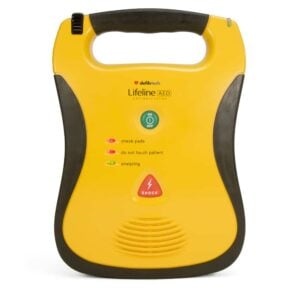
For travel, it’s key to pick a compact, lightweight AED. This makes it easy to carry and access quickly. The HeartSine Samaritan PAD series and Defibtech Lifeline Auto are both reliable. They are also easy to carry. Their strong build and easy design help you stay prepared on the go.
The Defibtech Lifeline has a bright design and a built-in handle. This makes it easy to find and carry during emergencies. It also provides quick, effective treatment. HeartSine models are convenient thanks to their Pad-Pak system. This system combines the battery and electrodes into one easy-to-replace unit. Both options are lightweight and easy to carry. They usually come with cases for simple transport.
What Parents Should Know About At-Home AEDs
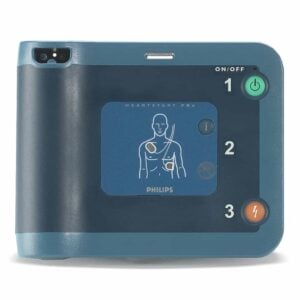
For home safety, pick an AED that is easy to use but has key features. Options like the Physio-Control LIFEPAK CR2, ZOLL AED 3, and Philips FRx are great. They offer CPR guidance and quick access to pediatric settings. The LIFEPAK CR2 features advanced CPRINSIGHT technology. This lets it analyze the heart and decide if a shock is needed without stopping care. It offers valuable support during emergencies.
QUIK-STEP electrode pads work for both adults and kids. They adjust energy levels automatically and give CPR guidance suited for each age. The ZOLL AED 3 boosts performance with Real CPR Help®. It gives real-time feedback on compression rate and depth. This helps ensure effective, guideline-based care. The Uni-padz system makes things easier. It lets anyone, even those untrained, respond quickly and confidently in an emergency.
The Philips HeartStart FRx AED is a reliable and easy-to-use device. It gives clear voice prompts, making it simple to operate in emergencies. Inserting an infant or child key quickly switches the device to pediatric mode. This adjusts shock levels and CPR guidance for younger patients.
### FDA-Approved AEDs for Home Use
For home use, an AED should be simple, dependable, and easy to access. The HeartSine Samaritan PAD 350P is easy to use and doesn’t need a prescription. This makes it simple to have one at home. It provides clear voice guidance to help you respond quickly in stressful situations. The Philips HeartStart OnSite is a great choice. It has a compact, portable design and easy-to-follow instructions. This makes it perfect for homes and small spaces where using it easily is important.
If you’re looking for long-term value and low maintenance, the ZOLL AED Plus is a great choice for indoor use. Its pads and batteries can last five years. This cuts down on replacements and saves money. It also has Real CPR Help®, which gives real-time feedback on how well you compress. This helps users do better CPR when it really matters.
Using an AED on Children
Using an AED on a child may feel daunting, but modern devices are built to make it safer and more intuitive. The Physio-Control LIFEPAK CR2 uses CPRINSIGHT technology. This tech checks the patient to see if a shock is needed. Its QUIK-STEP pads work for adults and kids. They adjust energy levels automatically and offer age-appropriate CPR guidance. This helps users provide the right care with confidence.
The Philips HeartStart FRx AED makes pediatric care easy. Just use the infant/child key to change shock levels and CPR guidance right away. The ZOLL AED 3 has Uni-padz electrodes for both adults and kids. This helps you respond quickly in stressful situations. These features simplify use and help ensure appropriate care for patients of any age.
AED Features Professional Responders Need
For professionals, the ZOLL AED 3 BLS, LIFEPAK 1000, and Powerheart G3 Pro are designed for tough settings and advanced care. The ZOLL AED 3 BLS is notable for its full ECG display. This feature helps track heart rhythm and aids clinical decisions. It also features Real CPR Help® technology. This technology provides real-time feedback on how well compressions are performed. This makes it a reliable option for trained responders.
The LIFEPAK 1000 is designed for tough settings. It has a strong build and advanced features. These include pediatric capability, Wi-Fi connectivity, and a complete ECG display. Its cprMAX™ technology lets responders adjust CPR timing based on the situation. This helps cut delays and boosts the overall efficiency of care.
The Powerheart G3 Pro AED is made for advanced responders. It lets chest compressions keep going while the device charges. It has a manual override, 3-lead ECG monitoring, and a backlit display. This allows for real-time rhythm tracking. RHYTHMX® technology gives detailed rescue data. It helps with quick clinical decisions. Though it’s no longer made, you can still find refurbished units.
FAQs
What Are the Best AED Brands Available Today?
Top AED brands include trusted names like Philips, Zoll, Physio-Control, Heartsine, and Defibtech. These brands are reliable and easy to use. They perform well in real emergencies.
How do I choose from different AED brands?
When comparing AED brands, focus on features like ease of use, CPR feedback, maintenance costs, and durability. Reading automated external defibrillator reviews can also help you understand real-world performance.
What is the cheapest AED I can buy?
The cheapest AED options are often entry-level or recertified units. Even though they cost less at first, think about long-term costs. Battery and pad replacements can add up, so weigh these factors before deciding.
Is there a portable AED for car use?
Yes, many models are designed as portable AEDs for car use. They are lightweight, compact, and durable. This makes them great for travel or for keeping in your car for emergencies.
Are Automated External Defibrillator Reviews Reliable?
Trusted sources make automated external defibrillator reviews very helpful. Look for detailed comparisons that cover performance, ease of use, and real-life scenarios.
Which AED is best for home use?
The best AED brands for home use are easy to operate. They give clear voice prompts and require little maintenance. Models designed for beginners are ideal for families without medical training.
Do expensive AED brands perform better?
Not always. Many affordable AED models perform well, even if premium brands have extra features. The key is choosing a device that fits your specific needs and environment.
Conclusion
Picking the right AED depends on knowing your setting, budget, and the users. When choosing from different options, like trusted AED brands or small units, focus on reliability. Look for ease of use and long-term value too. Price is not the only factor to consider. Checking reviews of automated external defibrillators (AEDs) is key. Look at features like CPR guidance, durability, and maintenance costs. This will help you make a confident choice. When picking AEDs for work, your car, or on a budget, the goal is simple: be ready when every second matters. Investing in the right device today can make a life-saving difference tomorrow.